Funny Cartoon School Bus: A Design Evaluation
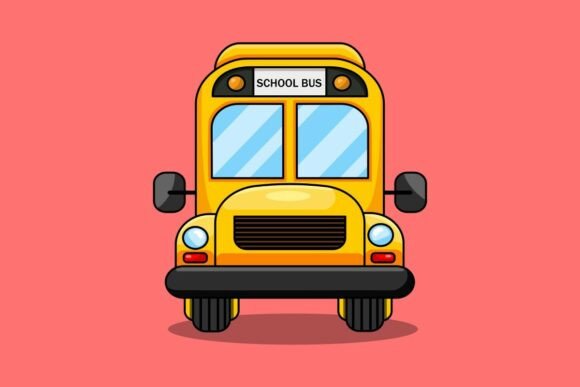
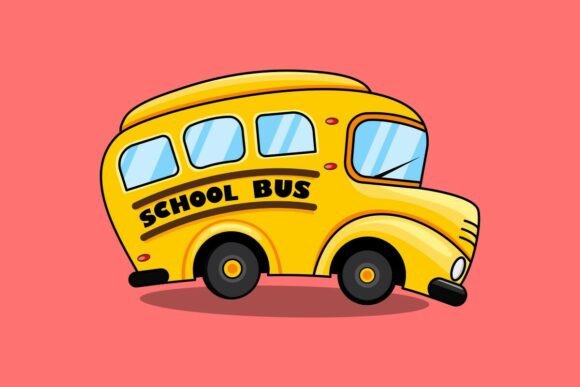
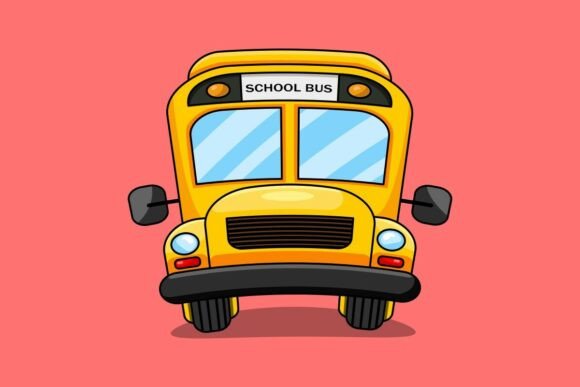
The Funny Cartoon School Bus represents a specific category of vector illustration characterized by its bright, playful flat design style. This visual asset typically depicts a cheerful yellow bus with a friendly front view, utilizing simple shapes and bold colors to create an engaging image suitable for various educational and creative contexts. For designers, educators, and content creators seeking to capture the attention of children, this type of graphic serves as a foundational element in projects ranging from classroom decorations to digital learning materials.
Evaluating whether this specific illustration fits your project requires understanding its aesthetic properties, functional versatility, and the limitations inherent to its style. The following analysis explores the practical applications of the Funny Cartoon School Bus, helping you determine if it aligns with your goals.
Understanding the Visual Identity
At its core, the Funny Cartoon School Bus is defined by its adherence to modern flat design principles. Unlike realistic or hand-drawn sketches that rely on shading, gradients, and complex textures, this illustration prioritizes clean vector shapes and solid color blocks. The iconic yellow body is often paired with high-contrast elements, such as black outlines or colorful details, to ensure visibility and clarity at various sizes.
The "front view" perspective is a deliberate choice that humanizes the vehicle. By giving the bus a face-like appearance through headlights and a grille, the design fosters an immediate emotional connection with young audiences. This anthropomorphic quality transforms a standard mode of transportation into a character, which is a key factor in its popularity for children's media.
Primary Use Cases and Applications
The versatility of this illustration makes it a strong candidate for a wide range of projects. Its primary strength lies in its ability to communicate themes of education, travel, and community without relying on text.
- Educational Materials: The clear, uncluttered nature of the flat design makes it ideal for worksheets, flashcards, and reading comprehension exercises. It helps break up text-heavy pages without overwhelming the reader.
- Back-to-School Campaigns: Whether for a newsletter header or a social media post, the cheerful aesthetic instantly signals the start of a new academic year.
- Printable Designs: Because the source files are typically vector-based (SVG, EPS), the image scales perfectly for large formats like posters and banners, as well as small formats like stickers and bookmarks.
- Digital Content: In web design and app development, the lightweight nature of SVG files ensures fast loading times while maintaining crisp edges on high-resolution screens.
Benefits of the Flat Design Style
Selecting a flat design illustration offers several practical advantages over more complex artistic styles. First, the simplicity of the design ensures that the message remains the focus. There are no distracting shadows or intricate details that might confuse a young child or clutter a busy layout.
Second, the scalability of vector graphics is a significant technical benefit. When using the Funny Cartoon School Bus in a project, you can resize the image from a tiny icon to a full-page mural without losing quality. This flexibility reduces the need to purchase multiple versions of the same asset for different media channels.
Finally, the consistent color palette allows for easy integration into existing brand guidelines. The bold yellow and clean lines can be easily matched with other flat icons to create a cohesive visual language across a series of educational products.
Considerations and Potential Limitations
While the Funny Cartoon School Bus is highly effective for many purposes, it is not a universal solution. Understanding its limitations is crucial for making an informed decision.
Situational Fit: The cartoonish nature of the image may not be appropriate for all age groups. While perfect for toddlers and early elementary students, older children or teenagers might find the style too juvenile for their interests. Additionally, in contexts requiring a serious or realistic tone, such as a safety manual or a technical diagram, this playful aesthetic could undermine the gravity of the subject matter.
Originality Concerns: Because the school bus is a common trope in children's art, there is a risk that the image may appear generic if not used creatively. Relying solely on the standard front-view bus without adding unique context or combining it with other distinct elements might result in a lack of visual distinction compared to competitors' materials.
File Format Requirements: While the availability of SVG and EPS files is a major plus, users must ensure they have the software necessary to edit these formats. If a project requires raster manipulation only, converting the vector file to JPG or PNG is straightforward, but working directly with vectors provides greater long-term utility.
Alternatives and Comparison Points
When evaluating the Funny Cartoon School Bus, it is helpful to consider alternative visual approaches that might better suit specific needs.
If the goal is to depict a sense of realism or nostalgia, a hand-drawn watercolor illustration or a photorealistic rendering might be preferable. These styles offer texture and depth that flat designs lack, potentially creating a warmer, more organic feel for storybooks or literary covers.
Conversely, if the project requires extreme minimalism or a monochromatic theme, a line-art version of the bus would be more appropriate than the full-color flat design. Line art offers maximum flexibility for coloring-in activities or for integrating into black-and-white print runs where color costs are a concern.
In terms of complexity, some users might prefer 3D rendered buses that add depth and dimension. However, 3D assets often require more processing power to render and can look out of place in a flat-design interface. The choice between 2D flat and 3D depends entirely on the desired user experience and the technical constraints of the platform.
Decision-Making Insights
To determine if the Funny Cartoon School Bus is the right choice for your project, consider the following criteria:
- Target Audience Age: Is the content intended for children under ten? If yes, the friendly, approachable style is likely a strong fit.
- Medium of Distribution: Will the image be used in print, digital, or both? The vector capabilities of this illustration make it superior for multi-platform use.
- Tone of Voice: Does the surrounding content aim to be fun, energetic, and encouraging? The bus reinforces a positive, lighthearted atmosphere.
- Design Consistency: Are other elements in your project also flat or minimalist? Mixing this style with hyper-realistic photos can create visual dissonance.
For projects focused on engagement, accessibility, and clarity for young learners, the Funny Cartoon School Bus stands out as a reliable and effective asset. Its clean lines and vibrant colors ensure that the focus remains on the educational content rather than the artwork itself. However, if the project demands a sophisticated, realistic, or highly stylized aesthetic, exploring alternative illustration types may yield better results.
Ultimately, the value of this illustration lies in its adaptability. Whether used as a central hero image for a website or a subtle accent in a worksheet, the Funny Cartoon School Bus provides a versatile foundation for creating meaningful and visually appealing experiences for children.